In this European Week of Cities, many forums are discussing current challenges related to climate change, urban congestion, and air quality.
Talking about urban mobility today without using the adjective «sustainable» is becoming increasingly complicated. A concept that not only focuses on the use of clean energy but encompasses a comprehensive approach towards a more efficient, accessible, and environmentally friendly transport system.
What is sustainable mobility?
Sustainable mobility refers to the adoption of practices and technologies that seek to reduce the environmental impact of transport. This implies a shift towards modes of transport that use renewable energy, such as electric vehicles, efficient public transport, and non-motorized options, such as walking or cycling.
This approach is not limited to mitigating atmospheric pollution but also addresses other problems derived from traditional transport systems, such as noise, traffic congestion, and reliance on fossil fuels.
Sustainable mobility seeks for people to be able to move efficiently and equitably, without compromising the well-being of future generations.
Sustainable mobility refers to the adoption of practices and technologies that seek to reduce the environmental impact of transport. This implies a shift towards modes of transport that use renewable energy, such as electric vehicles, efficient public transport, and non-motorized options, such as walking or cycling.
This approach is not limited to mitigating atmospheric pollution but also addresses other problems derived from traditional transport systems, such as noise, traffic congestion, and reliance on fossil fuels.
Sustainable mobility seeks for people to be able to move efficiently and equitably, without compromising the well-being of future generations.
Underground car parks: key agents in the cities of the future
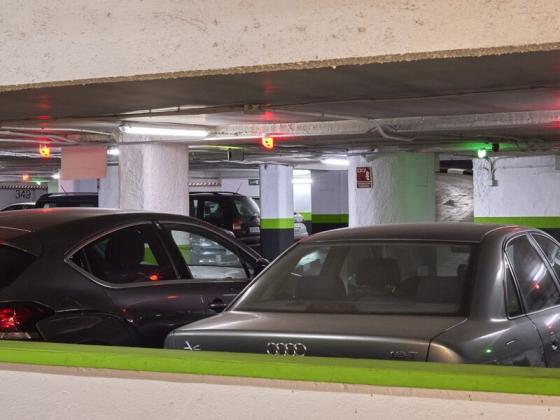
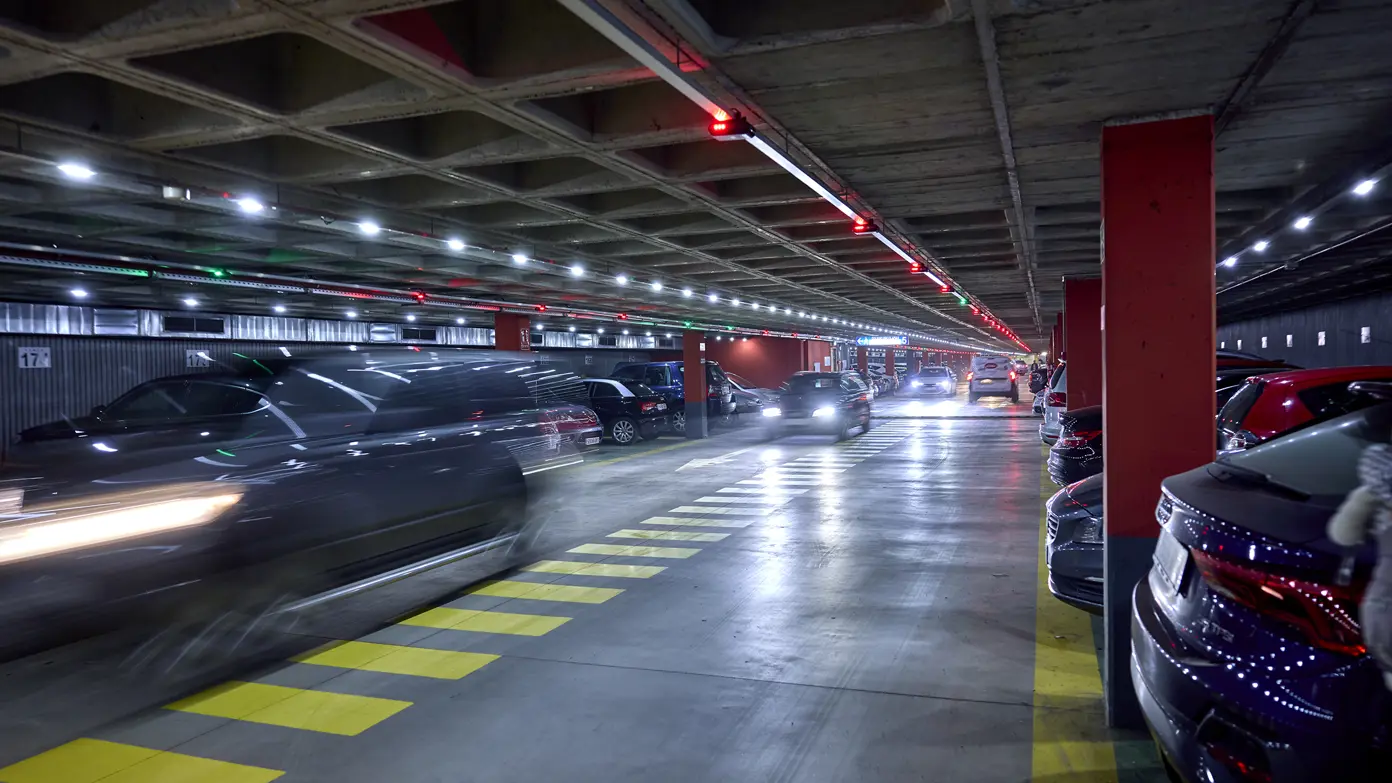
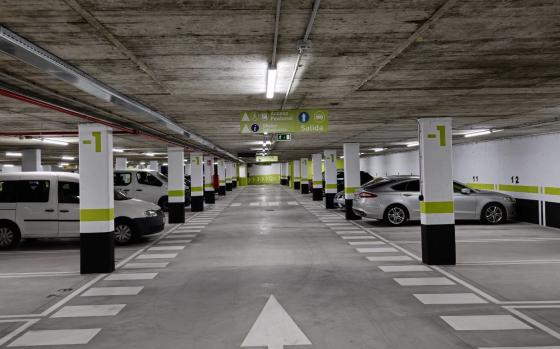
In this sense, we can ask ourselves whether infrastructures like underground car parks make sense in this sustainable mobility in the cities of the present and the future.
I must acknowledge my lack of impartiality in this regard, as my work at iPark Estacionamientos y Servicios de Movilidad S.A. primarily consists of the identification, definition, construction, and management of underground or multi-storey car parks.
I must acknowledge my lack of impartiality in this regard, as my work at iPark Estacionamientos y Servicios de Movilidad S.A. primarily consists of the identification, definition, construction, and management of underground or multi-storey car parks.
And although it is my profession, I cannot help but be clearly convinced that underground car parks play a key role in sustainable mobility for many reasons.
It is true that I must not be the only one to think so, since 62% of Spaniards consider the private car a key element in their commutes.
It is true that I must not be the only one to think so, since 62% of Spaniards consider the private car a key element in their commutes.
Ecological transition
These infrastructures are perfectly integrated within urban plans that promote the efficient use of space, the reduction of vehicular congestion, and the transition towards greener transport modes.
To name a few of their benefits and impact on cities, underground car parks allow for the optimization of urban space, meaning that the use of underground infrastructure for parking vehicles frees up valuable space on public roads that can be used for other purposes, such as parks, bike lanes, pedestrian areas, or public transport infrastructure.
These infrastructures are perfectly integrated within urban plans that promote the efficient use of space, the reduction of vehicular congestion, and the transition towards greener transport modes.
To name a few of their benefits and impact on cities, underground car parks allow for the optimization of urban space, meaning that the use of underground infrastructure for parking vehicles frees up valuable space on public roads that can be used for other purposes, such as parks, bike lanes, pedestrian areas, or public transport infrastructure.
Urban Planning for well-being
In this way, cities can dedicate more areas to citizen enjoyment, reducing vehicle density on public roads and promoting urban planning that is more oriented towards people's well-being.
Furthermore, the construction of underground car parks at strategic points in cities, what are known as deterrent car parks, such as near public transport stations or in peripheral areas, helps to decongest the urban center.
This type of parking encourages the use of other sustainable alternatives, such as leaving the vehicle in these car parks and continuing the journey by public transport, bicycle, or on foot, thereby reducing the need to drive in densely populated areas.
In this way, cities can dedicate more areas to citizen enjoyment, reducing vehicle density on public roads and promoting urban planning that is more oriented towards people's well-being.
Furthermore, the construction of underground car parks at strategic points in cities, what are known as deterrent car parks, such as near public transport stations or in peripheral areas, helps to decongest the urban center.
This type of parking encourages the use of other sustainable alternatives, such as leaving the vehicle in these car parks and continuing the journey by public transport, bicycle, or on foot, thereby reducing the need to drive in densely populated areas.
Driving cleaner cities
During this week, a particularly relevant topic is electric mobility. Underground car parks also play a crucial role in promoting this movement, having enormous potential to be equipped with charging points for electric vehicles (EVs).
The more charging points are available, the easier it will be to encourage the use of electric vehicles among citizens.
The more charging points are available, the easier it will be to encourage the use of electric vehicles among citizens.
As the number of these vehicles grows in our cities, it is essential to have an accessible, efficient, and well-distributed charging network.
Currently, underground car parks are playing a key role in this process, serving as nerve centers for the transition to cleaner and more sustainable mobility, aligned with European environmental objectives to reduce urban pollution and environmental impact.
Currently, underground car parks are playing a key role in this process, serving as nerve centers for the transition to cleaner and more sustainable mobility, aligned with European environmental objectives to reduce urban pollution and environmental impact.
Pollution reduction
Another notable point of these constructions is their contribution to visual and acoustic pollution. By «hiding» vehicles in underground car parks, the presence of cars on the surface is reduced, which improves the quality of the urban landscape and helps create more friendly and safe environments for pedestrians. Furthermore, by reducing circulation and parking on congested streets, noise pollution levels decrease.
Underground car parks also function as multimodal mobility hubs, as I highlighted earlier, where users can park their vehicles and have immediate access to other more sustainable forms of transport, such as bus, tram, train stations, or public bicycles.
This combined use of transport modes is in turn key to commuting, that is, regular trips from home to work, reducing the dependence on private cars for long journeys within cities.
Another notable point of these constructions is their contribution to visual and acoustic pollution. By «hiding» vehicles in underground car parks, the presence of cars on the surface is reduced, which improves the quality of the urban landscape and helps create more friendly and safe environments for pedestrians. Furthermore, by reducing circulation and parking on congested streets, noise pollution levels decrease.
Underground car parks also function as multimodal mobility hubs, as I highlighted earlier, where users can park their vehicles and have immediate access to other more sustainable forms of transport, such as bus, tram, train stations, or public bicycles.
This combined use of transport modes is in turn key to commuting, that is, regular trips from home to work, reducing the dependence on private cars for long journeys within cities.
Complement to sustainable mobility
In this way, and insofar as underground car parks are included in a comprehensive urban development plan that prioritizes active mobility and public transport, their presence is and will be a valuable complement to sustainable mobility.
And it is not about discouraging the use of private cars, but about ensuring they align with policies that promote less polluting transport options.
In this way, and insofar as underground car parks are included in a comprehensive urban development plan that prioritizes active mobility and public transport, their presence is and will be a valuable complement to sustainable mobility.
And it is not about discouraging the use of private cars, but about ensuring they align with policies that promote less polluting transport options.
Key tool
In summary, from my point of view, underground car parks are a key tool in the transition towards more sustainable mobility, provided they are designed and implemented with a holistic vision that favors the use of cleaner and more efficient alternatives.
By freeing up surface space, reducing congestion, and promoting the use of electric vehicles and other sustainable transport modes, underground car parks play a positive role within the urban ecosystem.
Juan Manuel Mogarra, CEO of iPark Estacionamientos
In summary, from my point of view, underground car parks are a key tool in the transition towards more sustainable mobility, provided they are designed and implemented with a holistic vision that favors the use of cleaner and more efficient alternatives.
By freeing up surface space, reducing congestion, and promoting the use of electric vehicles and other sustainable transport modes, underground car parks play a positive role within the urban ecosystem.
Juan Manuel Mogarra, CEO of iPark Estacionamientos